
Sports and physical activities are important for maintaining a healthy and active lifestyle, but they can also place considerable demands on the body. Whether someone participates in competitive athletics, recreational sports, or regular fitness training, repeated movements and sudden physical stress can sometimes lead to injuries. FYZICAL Therapy and Balance Centers – Hickory Flat focuses on helping individuals improve movement, rebuild physical strength, and work toward a safe return to the activities they enjoy. With an individualized approach, rehabilitation can address both the immediate effects of an injury and the physical factors that may contribute to future problems.
Choosing Sports rehabilitation in Woodstock can be an important step for athletes who want to recover with a structured plan rather than rushing back into physical activity. Sports-related injuries may affect muscles, joints, tendons, and ligaments, making everyday movements and athletic performance more difficult. A suitable rehabilitation program considers the type of injury, the person’s activity level, and the physical demands of their sport. The goal is to restore useful movement, develop strength, and build confidence before returning to regular training or competition.
Understanding the Physical Demands of Different Sports
Every sport places different demands on the body. Running and soccer involve repeated lower-body movements, while tennis, baseball, and swimming require coordinated shoulder and arm activity. Basketball and volleyball involve jumping, landing, quick direction changes, and rapid acceleration. These repeated actions can create stress on specific muscles and joints, especially when an athlete increases training intensity without allowing enough time for recovery.
Sports injuries do not always happen because of one sudden incident. Some develop gradually through repeated movements, poor movement mechanics, muscle fatigue, or insufficient recovery between training sessions. Understanding these physical demands helps guide Sports rehabilitation in Woodstock toward the needs of each individual. Instead of treating every athlete in the same way, rehabilitation should consider the movements, positions, and physical challenges associated with the person’s chosen activity.
Common Injuries That Can Affect Athletic Performance
Athletes may experience a wide range of injuries depending on their sport, conditioning, and training habits. Muscle strains, ligament sprains, tendon irritation, knee discomfort, ankle injuries, and shoulder problems are common examples. A sudden twist or awkward landing can affect joint stability, while repetitive throwing, lifting, or running may contribute to overuse problems. Even a relatively minor injury can interfere with training when it limits flexibility, strength, or coordination.
The effects of an injury can extend beyond the affected body part. For example, an athlete with an ankle injury may change their walking or running pattern to avoid discomfort. This adjustment can place additional demands on the knee, hip, or lower back. Sports rehabilitation in Woodstock can help address these movement changes by focusing on the athlete’s overall physical function. Identifying related limitations is important for building a recovery plan that supports more balanced movement.
Why a Personalized Rehabilitation Plan Matters?
Two athletes with similar injuries may not need exactly the same rehabilitation program. Their age, fitness level, sport, training schedule, previous injuries, and recovery goals can all influence the approach. Someone preparing for a marathon may need a different progression from a person who plays recreational basketball on weekends. A personalized plan takes these differences into account instead of relying on a standard set of exercises for everyone.
An individualized approach also helps make recovery more manageable. Rehabilitation activities can progress as movement, strength, and control improve. Sports rehabilitation in Woodstock may include exercises and movement activities selected according to the athlete’s current abilities and functional goals. This gradual process helps individuals work toward improved physical performance without placing unnecessary demands on an area that is still recovering.
Rebuilding Strength, Stability, and Muscle Control
Strength plays an important role in athletic performance because muscles help produce movement and support the joints during physical activity. Following an injury, reduced activity can lead to muscle weakness or a loss of endurance. Even when discomfort improves, an athlete may not yet have the strength required for running, jumping, lifting, or changing direction at full speed. Returning to demanding movements too early can make it difficult to perform safely and confidently.
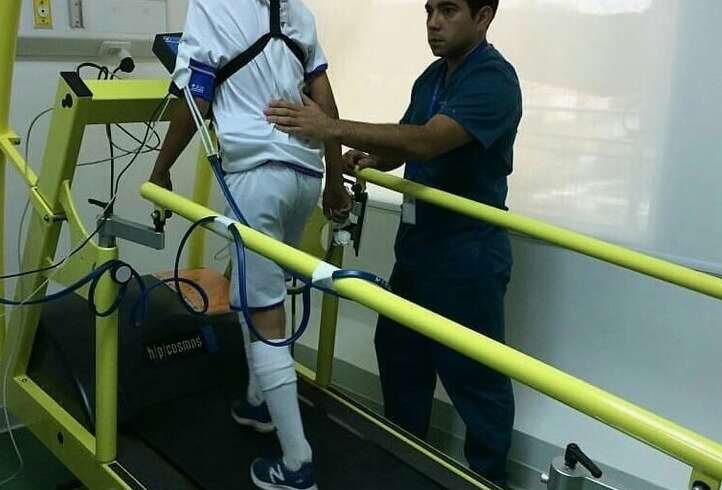
Rehabilitation exercises can focus on rebuilding strength in the affected area while also improving support from surrounding muscles. Balance activities, controlled resistance exercises, and movement-based training may be used depending on the athlete’s needs. Through Sports rehabilitation in Woodstock, individuals can work on developing better muscle control and stability for the physical demands of their sport. The aim is not simply to regain basic movement but to prepare the body for more challenging activities over time.
Improving Flexibility, Coordination, and Movement Quality
Athletic performance depends on more than muscle strength. Flexibility, coordination, balance, and joint mobility also influence how efficiently the body moves. Limited movement in one area may affect the way another part of the body performs. For example, restricted hip mobility can influence running mechanics, while reduced shoulder movement may interfere with throwing or overhead activities.
A rehabilitation program may include controlled mobility exercises, stretching when appropriate, balance training, and movement practice. These activities can help athletes become more aware of their body mechanics and improve control during physical tasks. Sports rehabilitation in Woodstock can support this process by addressing movement limitations that affect an individual’s ability to participate comfortably. Better movement quality can also help athletes prepare for the repeated demands of practice and competition.
Gradually Returning to Training and Competition
One of the most important parts of sports injury recovery is deciding when and how to return to regular activity. Feeling less discomfort does not always mean the body is ready for full training. An athlete may still need to improve strength, endurance, coordination, or tolerance for sport-specific movements. Returning too quickly can place excessive stress on recovering tissues and may interrupt progress.
A gradual return-to-sport process allows physical demands to increase in stages. Depending on the injury and the athlete’s progress, this may involve beginning with basic movement, progressing to controlled sport-related exercises, and eventually working toward more demanding activities. Sports rehabilitation in Woodstock can help individuals work toward these milestones with attention to their functional abilities and recovery goals. The appropriate timeline varies from person to person, so progress should be guided by professional assessment rather than a fixed schedule.
Developing Better Habits for Injury Prevention
Rehabilitation can also provide an opportunity to review habits that influence athletic health. Training volume, warm-up routines, recovery time, footwear, movement technique, and general conditioning may all affect how the body responds to physical activity. Increasing exercise intensity too quickly or repeatedly training through discomfort can make it harder to maintain consistent performance.
Athletes can benefit from learning how to prepare their bodies for activity, recognize early signs of physical strain, and allow adequate recovery between demanding sessions. Strength and mobility exercises may remain useful even after an injury has improved. By including these habits in a long-term fitness routine, Sports rehabilitation in Woodstock can contribute to a more informed approach to physical activity and help individuals maintain the progress they have made during recovery.
Choosing FYZICAL Therapy and Balance Centers – Hickory Flat
Finding appropriate rehabilitation support is an important part of managing a sports injury. Athletes should look for care that considers their individual concerns, physical abilities, and goals for returning to activity. Clear communication about symptoms, previous injuries, training routines, and performance expectations can help a rehabilitation professional understand the challenges involved.
At FYZICAL Therapy and Balance Centers – Hickory Flat, individuals can explore physical therapy support focused on improving movement and physical function. A rehabilitation approach may involve evaluating limitations, identifying suitable exercises, and adjusting activities as recovery progresses. For people considering Sports rehabilitation in Woodstock, having a plan that reflects their sport and personal goals can make the recovery process more organized and purposeful.
Conclusion
Recovering from a sports injury involves more than waiting for discomfort to disappear. Athletes may need to rebuild strength, improve stability, restore mobility, and gradually prepare for the movements required by their sport. A structured rehabilitation approach can help address these needs while supporting a more confident return to physical activity. With personalized attention and consistent effort, individuals can work toward better movement and long-term athletic health.
FYZICAL Therapy and Balance Centers – Hickory Flat provides a place for individuals to explore rehabilitation support based on their physical needs and activity goals. Whether someone is recovering from a recent injury or working to improve movement after a period of limited activity, Sports rehabilitation in Woodstock can be a valuable part of the journey toward returning to an active lifestyle. The right recovery plan should focus on steady progress, appropriate guidance, and the physical demands that matter most to each athlete.