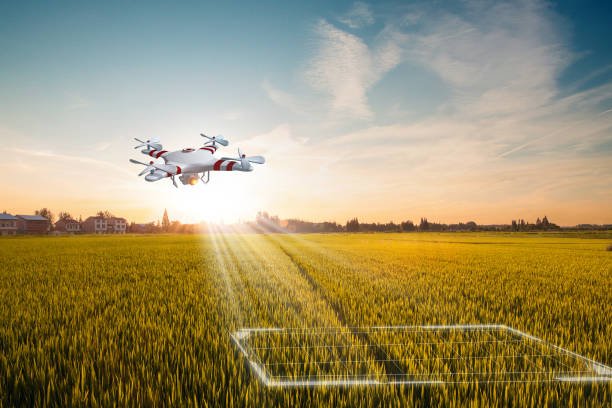

Agriculture is entering a new era of digital transformation, with drones becoming one of the most impactful technologies for improving farm productivity and sustainability. As farmers face increasing pressure to maximize yields, optimize resource utilization, and adapt to changing climate conditions, agricultural drones are providing real-time insights that enable smarter decision-making. From crop monitoring and precision spraying to field mapping and soil analysis, drone technology is helping producers improve efficiency while reducing operational costs and environmental impact.
According to a Vyansa Intelligence report, the Agricultural Drones Market was valued at USD 5.78 Billion in 2025 and is projected to reach USD 23.1 Billion by 2032, registering a CAGR of 21.89% during the 2026–2032 forecast period. Rapid advances in precision agriculture, artificial intelligence, and remote sensing technologies continue to drive widespread adoption across the global agricultural sector.
Precision Agriculture Is Accelerating Drone Adoption
Modern farming increasingly depends on accurate data to optimize crop production. Agricultural drones equipped with high-resolution cameras, multispectral sensors, thermal imaging, and GPS technology allow farmers to monitor crop health with unprecedented accuracy.
According to this agricultural drones industry report, drone-generated aerial imagery enables producers to identify nutrient deficiencies, pest infestations, irrigation issues, and crop stress before they become significant problems. Early detection supports timely interventions that improve crop quality while minimizing production losses.
As precision farming becomes more accessible, drones are expected to become an essential tool for data-driven agriculture. Organizations such as the Food and Agriculture Organization of the United Nations (FAO) Digital Agriculture Initiative highlight the importance of digital technologies in improving agricultural productivity, sustainability, and resource management.
Crop Monitoring Is Becoming More Efficient
Traditional field inspections often require considerable time and labor, particularly for large agricultural operations. Agricultural drones significantly improve monitoring efficiency by rapidly surveying extensive farmland and delivering detailed field information within minutes.
Industry analysis indicates that drone-based monitoring helps farmers assess plant health, evaluate crop growth stages, estimate yields, and monitor field variability throughout the growing season. Real-time aerial data also enables producers to make faster management decisions while improving overall farm productivity.
Efficient crop surveillance continues strengthening the value of drone technology across commercial agriculture.
Precision Spraying Improves Resource Utilization
One of the most valuable applications of agricultural drones is precision spraying. Advanced drone systems allow pesticides, herbicides, fertilizers, and biological crop protection products to be applied accurately only where they are needed.
Detailed market insights suggest that targeted spraying reduces chemical waste, lowers operational costs, minimizes environmental impact, and improves application efficiency compared to conventional spraying methods. Precision application also helps reduce soil compaction because drones eliminate the need for heavy machinery to enter crop fields.
Growing emphasis on sustainable farming continues encouraging investment in drone-based spraying technologies.
Artificial Intelligence Is Enhancing Drone Capabilities
The integration of artificial intelligence (AI), machine learning, and cloud-based analytics is significantly expanding the capabilities of agricultural drones. AI-powered image analysis enables automatic identification of crop diseases, pest outbreaks, weed infestations, and nutrient deficiencies.
The latest market analysis highlights that intelligent drone platforms generate actionable recommendations that help farmers optimize irrigation schedules, fertilizer application, and crop management strategies. Automated flight planning and autonomous navigation further improve operational efficiency while reducing manual intervention.
The combination of AI and drone technology continues driving innovation throughout precision agriculture.
Labor Shortages Continue to Encourage Automation
Agricultural labor shortages remain a growing concern in many farming regions worldwide. Drone technology provides an efficient solution by automating several labor-intensive activities such as crop scouting, aerial mapping, and precision spraying.
Research findings indicate that agricultural drones reduce the time required for field inspections while improving operational consistency across large farming operations. Automated workflows also enable farmers to manage more acreage without proportionally increasing labor requirements.
Automation is expected to remain one of the strongest drivers supporting future drone adoption.
Sustainability Is Supporting Technology Adoption
Sustainable farming practices are becoming increasingly important as agriculture seeks to balance productivity with environmental stewardship. Agricultural drones contribute to sustainability by enabling more precise use of water, fertilizers, pesticides, and other agricultural inputs.
The comprehensive report suggests that precision drone applications help minimize chemical runoff, reduce fuel consumption, and improve resource efficiency across farming operations. Better field monitoring also supports conservation agriculture practices that protect soil health and biodiversity.
As environmental regulations become more stringent, precision drone technologies are expected to play an even greater role in sustainable agriculture.
Future Perspective
The agricultural drones industry is expected to experience remarkable expansion as digital farming, artificial intelligence, and precision agriculture continue transforming global food production. Ongoing improvements in battery technology, autonomous flight systems, sensor accuracy, and cloud-based analytics will further expand commercial applications across crop production.
The industry outlook indicates that agricultural drones will remain a cornerstone of smart farming by enabling higher productivity, better resource management, and more sustainable agricultural practices. Continued investment in AI-powered analytics, precision spraying technologies, and autonomous drone systems is expected to create significant opportunities for manufacturers, technology providers, and agricultural producers worldwide.
Organizations such as the International Society of Precision Agriculture (ISPA) continue supporting research, collaboration, and knowledge exchange to advance precision agriculture technologies globally.