
A leaking roof can quickly become a serious problem when rainwater enters your home. Even a small leak may damage ceilings, walls, flooring, furniture, and personal belongings if water continues entering the property. Homeowners should take immediate precautions to limit interior damage while arranging professional assistance.
When you need emergency roof repair Pawtucket RI, knowing what to do before a roofing professional arrives can help protect your home and reduce the risk of additional problems. Although temporary measures may control some interior damage, they cannot replace a proper roof inspection and repair.
1. Identify the Affected Areas Inside Your Home
Start by identifying where water is entering your home. Look for ceiling stains, dripping water, damp walls, wet flooring, or moisture around windows and attic access points.
Keep in mind that the location of an interior leak does not always indicate where the roof is damaged. Water may travel along rafters, insulation, or other building materials before becoming visible inside a room.
If you notice a leak, avoid assuming that the damaged area is directly above the water stain. Instead, document the visible symptoms and share this information with your roofing contractor.
Professional emergency roof repair Pawtucket RI services can investigate the source of the problem and determine which roof components need attention.
2. Protect Furniture and Personal Belongings
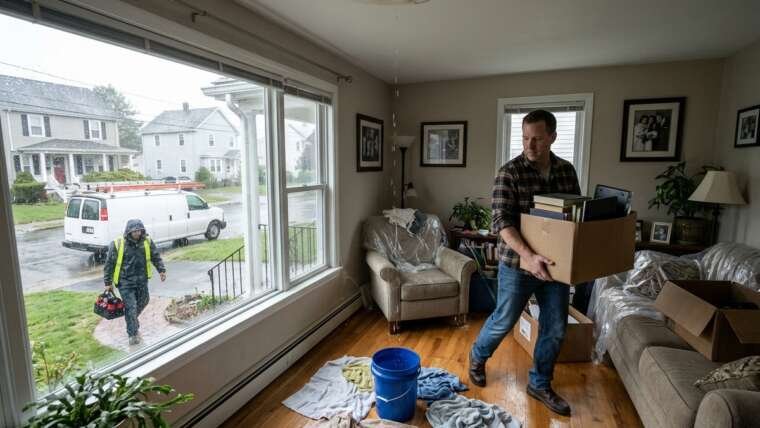
Once you identify the affected area, move furniture, electronics, rugs, clothing, and other belongings away from the leak if it is safe to do so.
Place smaller items in a dry room and cover larger furniture with waterproof protective material when moving it is impractical. Remove valuable documents, photographs, and electronic devices from areas where water may spread.
If water is dripping from the ceiling, position a bucket or suitable container beneath the leak when the area is safe. Place towels around the container to absorb minor splashes and protect nearby flooring.
Avoid standing beneath a ceiling that appears swollen, sagging, or cracked. These conditions may indicate trapped water or structural damage that requires professional assessment.
Taking these precautions while waiting for emergency roof repair Pawtucket RI can help prevent damage to belongings and reduce unnecessary cleanup.
3. Take Electrical Safety Precautions
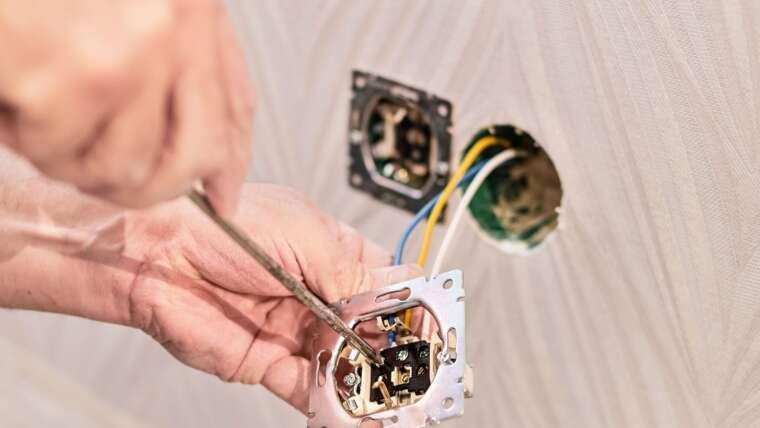
Water and electricity create a dangerous combination. If water is leaking near light fixtures, electrical outlets, switches, appliances, or a breaker panel, keep everyone away from the affected area.
Do not touch wet electrical equipment or attempt to remove ceiling fixtures yourself. If it is safe to reach the breaker panel without entering a wet area, you may be able to switch off the affected circuit. Otherwise, contact a qualified electrician or emergency service for assistance.
If you notice sparks, smoke, a burning smell, or other immediate electrical hazards, leave the area and contact emergency services as appropriate.
Electrical safety should always come before protecting furniture or collecting water. A roofing professional can address the roof damage, but water-affected electrical systems may require a separate inspection by a qualified electrician.
4. Collect Dripping Water Safely
For a minor, accessible leak, placing a bucket or plastic container beneath the dripping water can help protect the floor.
Check the container regularly so it does not overflow. If practical, place an absorbent towel around its base to catch splashes.
Never climb onto a wet roof or use an unstable ladder to investigate a leak during a storm. Wet roofing materials can be slippery, and strong winds or poor visibility can increase the risk of serious injury.
If water is collecting in a ceiling, do not puncture or cut the ceiling to release it. A water-filled ceiling can collapse unexpectedly, and opening it without proper precautions may expose you to electrical hazards or falling materials.
Instead, keep people away from the affected area and tell the roofing professional about any visible sagging or bulging.
5. Document the Damage Before Cleanup
Photographs and written notes can help you track the extent of the damage and communicate clearly with your contractor.
If conditions are safe, photograph:
- Water stains on ceilings and walls.
- Visible roof damage from a safe ground-level location.
- Wet flooring, furniture, and other belongings.
- Damaged insulation or attic materials, if safely accessible.
- The approximate time the leak started and the weather conditions.
Keep copies of repair estimates, receipts for emergency supplies, and records of any temporary protective measures.
If you plan to submit an insurance claim, contact your insurer promptly and follow its documentation requirements. Avoid discarding significantly damaged materials before checking whether the insurer needs to inspect them, unless disposal is necessary to address a safety or sanitation concern.
Clear documentation can help your roofing contractor understand the situation and assist you in discussing next steps with your insurer.
6. Prevent Moisture From Spreading
Water that remains inside a home can damage building materials and contribute to mold growth. After the leak has stopped or the affected area is otherwise safe, begin removing standing water from accessible surfaces.
Use towels or a suitable wet-dry vacuum according to the equipment manufacturer’s instructions. Do not use ordinary household vacuums to collect water.
If the area is electrically safe and outdoor conditions permit, ventilation and dehumidification may help reduce indoor moisture. Avoid running fans or electrical equipment in wet areas until it is safe to do so.
Porous materials such as carpet padding, insulation, and ceiling panels may retain moisture even after their surfaces appear dry. Extensive water damage may require professional water-remediation services.
Arranging emergency roof repair Pawtucket RI helps address the roof problem, but affected interior materials may need separate drying, cleaning, or replacement.
7. Avoid Temporary Roof Repairs That Could Put You at Risk
Homeowners sometimes consider climbing onto the roof to cover damaged shingles or secure loose roofing materials. However, emergency roof work can be dangerous, especially during rain, strong winds, or nighttime conditions.
Do not climb onto a wet roof, walk on damaged roofing materials, or attempt repairs near power lines. Avoid placing tarps from an exposed roof edge or using ladders in unsafe weather.
A qualified roofing professional can determine whether temporary protection is appropriate and how it should be installed safely.
Until help arrives, concentrate on protecting the interior, keeping people away from hazardous areas, and communicating the visible damage to the contractor.
8. Contact a Roofing Professional Promptly
A roof leak may result from missing shingles, damaged flashing, deteriorated roofing materials, storm damage, or problems around chimneys and roof penetrations.
While temporary precautions can limit interior damage, the underlying source must be identified to prevent the leak from returning.
When contacting a roofing contractor, explain when the leak started, which rooms are affected, whether water is actively entering the home, and whether you can see any roof damage from the ground.
Ask about the expected response time, temporary protection options, inspection procedures, and the estimated cost of the proposed work.
A contractor experienced in emergency roof repair Pawtucket RI can assess the situation and recommend appropriate repairs based on the roof’s condition and the immediate risks.
9. Check the Attic Only If It Is Safe
If your home has an attic, you may be tempted to inspect it for wet insulation, dark stains, or dripping water. However, attic access can involve hazards such as unstable flooring, exposed wiring, limited headroom, and damaged ceiling materials.
Do not enter an attic if water is near electrical components, the ceiling is sagging, the access area is unstable, or you cannot move around safely.
If the attic is clearly safe to access, a brief visual inspection from a stable area may help you identify visible moisture. Do not step on insulation or unsupported ceiling surfaces.
Share any observations with your contractor rather than attempting repairs in a confined or hazardous space.
10. Plan for Repairs and Follow-Up Inspections
Once immediate risks are under control, discuss the next steps with your roofing professional. The repair process may involve replacing damaged shingles, repairing flashing, sealing appropriate roof penetrations, or addressing other roofing components.
Ask the contractor to explain the source of the leak, the recommended repair, and whether additional inspection is needed after the work is completed.
You should also determine whether water has affected insulation, drywall, flooring, or electrical systems. Roof repairs alone may not resolve damage that has already spread into the home’s interior.
After repairs, monitor the previously affected areas for recurring stains, damp odors, peeling paint, or other signs of moisture. Report persistent problems promptly so they can be evaluated.
Protect Your Home With Timely Emergency Roof Repair in Pawtucket RI
A leaking roof can cause damage beyond the roofing materials themselves. Water may affect ceilings, walls, flooring, furniture, insulation, and electrical systems if the problem is not addressed.
Moving belongings, collecting dripping water when safe, documenting damage, and avoiding dangerous DIY roof work can help reduce interior damage while professional assistance is arranged.
If your home has an active roof leak or storm-related damage, contact a qualified roofing professional to assess the situation and recommend appropriate repairs.
Prompt action and a professional assessment can help homeowners address roofing problems while protecting the safety and condition of their property.
Frequently Asked Questions
1. What should I do first when my roof starts leaking?
Keep people away from hazardous areas, protect belongings if it is safe, and collect dripping water in a suitable container when possible. Stay away from wet electrical fixtures and sagging ceilings, and contact a roofing professional to assess the damage.
2. How can I protect furniture from a roof leak?
Move furniture and valuable belongings away from the affected area when safe. Cover larger items with waterproof material if they cannot be moved, and place containers beneath minor drips to protect the floor.
3. Should I climb onto my roof to stop a leak during heavy rain?
No. Wet roofs, strong winds, and poor visibility create serious fall hazards. Avoid climbing onto the roof and contact a qualified roofing professional for safe temporary protection and repairs.
4. Can a roof leak cause mold inside a home?
Yes. Persistent moisture can contribute to mold growth, particularly when water remains in drywall, insulation, carpets, or other porous materials. Address the leak and arrange appropriate drying and remediation when necessary.
5. How do I know if a leaking ceiling is dangerous?
A ceiling that is sagging, bulging, cracking, or visibly holding water may be at risk of collapse. Keep people away from the area and seek professional assistance. Do not puncture the ceiling to release trapped water.
6. Does emergency roof repair include interior water damage?
Roofing services generally focus on identifying and repairing roof damage, although the exact scope depends on the contractor. Interior drying, drywall replacement, mold remediation, and electrical repairs may require separate specialists.
7. Should I take photographs before emergency roof repairs begin?
Yes, if you can do so safely. Photograph visible interior damage and roof damage from the ground. Keep repair estimates and receipts, and follow your insurer’s instructions if you intend to file a claim.