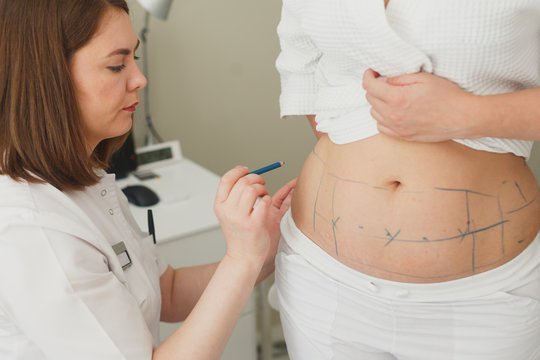

Abdominal skin laxity is a common concern for people who experience changes in their body shape after pregnancy, significant weight loss, or natural ageing. Although regular exercise and a balanced diet can support overall health and fitness, they may not fully address loose skin or changes in abdominal contours. The appropriate treatment depends on the amount of excess skin, the condition of the abdominal muscles, the distribution of fatty tissue, and the individual’s desired outcome.
A tummy tuck, medically known as abdominoplasty, is a surgical procedure designed to remove excess abdominal skin and improve the contour of the midsection. However, not every patient requires the same surgical approach. Some individuals may benefit from a mini tummy tuck, while others may need a full tummy tuck to address concerns across the upper and lower abdomen.
When considering Tummy tuck dubai, understanding how the appropriate procedure is selected can help patients make informed decisions during their consultation. A personalised assessment allows a qualified plastic surgeon to evaluate abdominal skin laxity, discuss realistic expectations, and recommend an approach that suits the patient’s anatomy and goals.
Understanding Abdominal Skin Laxity
Abdominal skin laxity refers to a loss of skin firmness and elasticity that can result in loose, hanging, or folded skin around the stomach. It may develop gradually or become noticeable after substantial changes in body weight.
The skin contains collagen and elastin, which contribute to its structure and flexibility. When these supporting fibres stretch significantly, the skin may not return completely to its previous shape. This can be particularly noticeable following pregnancy or major weight loss.
Several factors influence the extent and location of abdominal skin laxity:
- Pregnancy: The abdominal skin stretches to accommodate a growing baby, and some people experience persistent looseness after childbirth.
- Significant weight loss: Losing a substantial amount of weight can leave excess skin that does not conform closely to the reduced body size.
- Ageing: Natural changes in collagen and elastin may gradually reduce skin firmness.
- Genetics: Inherited characteristics can influence skin elasticity and how the body responds to stretching.
- Previous abdominal changes: Earlier procedures or repeated fluctuations in body weight may affect the appearance and condition of abdominal tissues.
Identifying the underlying cause helps the surgeon determine whether the main concern is loose skin, localised fat, abdominal muscle separation, or a combination of these factors.
Why Is a Personalised Tummy Tuck Assessment Important?
A personalised assessment is essential because the appearance of the abdomen can differ considerably between patients. Two people with similar body weights may have different skin elasticity, muscle tone, fat distribution, and degrees of tissue laxity.
During a consultation, the surgeon evaluates the abdomen while considering the patient’s medical history, previous pregnancies, weight changes, lifestyle, and expectations. The examination may include assessing the amount of loose skin above and below the navel, the position of the belly button, and the degree of abdominal muscle separation.
The surgeon also considers whether the patient’s weight is relatively stable and whether future pregnancies or substantial weight changes are anticipated. These factors can influence the timing of surgery and the choice of procedure.
The purpose is not simply to remove as much skin as possible. Instead, treatment planning aims to improve abdominal proportions while preserving a natural-looking contour and taking the patient’s individual anatomy into account.
Mini Tummy Tuck: When Is a Limited Procedure Suitable?
A mini tummy tuck is generally considered for patients whose excess skin and contour concerns are concentrated in the lower abdomen, particularly below the belly button.
This approach involves a more limited removal of excess skin than a full tummy tuck. Depending on the patient’s anatomy, the surgeon may also address selected areas of underlying abdominal tissue.
Characteristics That May Suit a Mini Tummy Tuck
A mini tummy tuck may be considered when:
- Loose skin is primarily located below the navel.
- The upper abdominal skin has relatively good elasticity.
- The amount of excess skin is limited.
- The belly button does not require significant repositioning.
- The patient’s goals can reasonably be achieved with a more localised procedure.
For example, an individual who has mild lower abdominal skin laxity despite maintaining a relatively stable weight may be assessed for a mini tummy tuck.
However, the term “mini” does not mean that the procedure is automatically the best option for a patient with mild concerns. The surgeon must establish whether the limited treatment area can adequately address the patient’s expectations. If excess skin extends above the navel or muscle separation is more extensive, a different approach may be more appropriate.
Full Tummy Tuck: Addressing More Extensive Skin Laxity
A full tummy tuck is generally considered when excess skin affects a larger portion of the abdomen, particularly when both the upper and lower abdominal areas require attention.
The procedure typically involves removing excess skin, reshaping the abdominal contour, and repositioning the navel through a suitable opening in the remaining skin. If abdominal muscle separation is present and appropriate to address, the surgeon may also repair the separated muscles as part of the treatment plan.
When Might a Full Tummy Tuck Be Recommended?
A full tummy tuck may be suitable for patients who have:
- Loose skin extending across the upper and lower abdomen.
- More substantial skin laxity after pregnancy.
- Excess skin following significant weight loss.
- A prominent lower abdominal fold combined with broader skin looseness.
- Abdominal muscle separation that contributes to the overall contour.
The exact technique varies according to the patient’s anatomy and the surgeon’s assessment. The incision pattern, amount of skin removed, and treatment of underlying tissues are planned individually.
A full tummy tuck is not necessarily better than a mini procedure. Its suitability depends on the extent of the concern and whether the additional treatment area is needed to achieve a balanced result.
Extended Tummy Tuck: For Skin Laxity Around the Waist
An extended tummy tuck may be considered when excess skin and tissue extend beyond the central abdomen towards the flanks or sides of the waist. This pattern can occur after significant weight loss, when the skin has stretched considerably and does not retract sufficiently as body volume decreases.
Unlike a standard tummy tuck, an extended procedure uses a longer incision to address a broader area. The treatment plan may include removing additional skin from the sides of the abdomen to create a more balanced transition between the stomach and waist.
Who May Benefit From an Extended Procedure?
The surgeon may consider this approach for patients who have:
- Extensive loose skin across the abdomen and flanks.
- Noticeable skin folds following substantial weight loss.
- Excess tissue that affects the appearance of the waistline.
- Contour concerns that cannot be adequately addressed through a limited procedure.
The decision depends on the distribution of excess tissue, the patient’s body proportions, and the amount of correction required. An extended tummy tuck is not necessary for everyone with abdominal skin laxity, so the surgeon must determine whether treating the additional areas is appropriate.
How Does Abdominal Muscle Separation Affect Procedure Selection?
Skin laxity is only one part of abdominal contour assessment. Some patients also experience separation of the rectus abdominis muscles, commonly known as diastasis recti. These muscles run vertically along the front of the abdomen and may become separated as the abdominal wall stretches, particularly during pregnancy.
Muscle separation can contribute to a protruding abdominal appearance even when the amount of excess skin is relatively limited. In these circumstances, removing skin alone may not address the underlying contour concern.
During a consultation, the surgeon examines the abdominal wall to determine whether muscle separation is present and whether repair may be appropriate. A full tummy tuck may allow the surgeon to address this issue alongside excess skin, depending on the patient’s anatomy and treatment goals.
A mini tummy tuck may be sufficient for selected patients with limited lower abdominal concerns, but it does not provide the same scope for treating more extensive muscle separation. Therefore, procedure selection should consider both the external appearance of the abdomen and the condition of the underlying abdominal wall.
How Do Skin Quality and Fat Distribution Influence the Decision?
The quality of the skin and the location of excess fat can influence the surgical plan. Patients with relatively firm upper abdominal skin and a small amount of looseness below the navel may be suitable for a limited procedure. Those with reduced elasticity across the entire abdomen may require a more comprehensive approach.
Fat distribution also matters. Excess fat beneath the skin can contribute to abdominal fullness, while visceral fat located deeper within the abdominal cavity cannot be removed through a tummy tuck. The procedure is primarily intended to remove excess skin and improve abdominal contour rather than serve as a weight-loss treatment.
In selected cases, liposuction may be considered alongside abdominoplasty to refine localised fat deposits and improve the transition between the abdomen and surrounding areas. However, liposuction does not remove significant loose skin, so it should not be treated as a substitute for skin excision when substantial laxity is present.
The surgeon evaluates these factors together to determine whether a tummy tuck alone, a combination approach, or another treatment plan is more appropriate.
What Role Do Previous Pregnancy and Weight Changes Play?
Pregnancy and significant weight fluctuations can change both the skin and the underlying abdominal wall. These changes vary from person to person, which is why a procedure suitable for one patient may not be appropriate for another.
After pregnancy, some individuals experience a small area of loose skin below the navel, while others develop more widespread laxity and muscle separation. A mini tummy tuck may be considered for the former, whereas a full tummy tuck may be more suitable for broader abdominal changes.
Patients who have lost a substantial amount of weight may have excess skin extending across the abdomen and around the waist. In these cases, the surgeon may assess whether a standard or extended procedure would provide more suitable contour improvement.
It is also important to consider future plans. Patients anticipating another pregnancy or significant weight loss may be advised to postpone surgery until their circumstances are more stable, as these changes can affect the outcome.
What Should Patients Know About Tummy Tuck Cost in Dubai?
The overall cost of a tummy tuck depends on the procedure selected and the individual treatment plan. A mini tummy tuck, full tummy tuck, and extended tummy tuck differ in surgical scope, operating time, and the extent of tissue removal required.
When researching Tummy tuck Cost in dubai, patients should understand that an advertised starting price may not represent the complete cost of their individual treatment.
Several factors may influence the final quotation:
- Type of procedure: A more extensive operation may require additional surgical time and resources.
- Complexity of the treatment: The degree of skin laxity and any required muscle repair can affect planning.
- Additional contouring: Liposuction or other procedures may change the overall treatment cost.
- Anaesthesia and facility fees: These may vary according to the surgical setting and treatment arrangements.
- Aftercare requirements: Follow-up appointments, compression garments, and other elements of the care plan may affect the total expense.
During the consultation, patients should request a clear breakdown of the proposed treatment and associated fees. Comparing procedures solely by price may be misleading because the most suitable option is determined by anatomy and treatment objectives rather than cost alone.
What Should Patients Expect During the Consultation?
A consultation provides an opportunity to discuss concerns, assess abdominal skin laxity, and understand the available surgical options.
The surgeon may ask about previous pregnancies, weight changes, medical history, existing abdominal procedures, and future plans. A physical examination helps establish the location and extent of loose skin, the condition of the abdominal muscles, and the relationship between skin excess and localised fat.
Patients should also explain which areas concern them most and what type of improvement they hope to achieve. Photographs or reference images may help communicate aesthetic preferences, although individual results depend on personal anatomy.
It is equally important to discuss incision placement, the likely location and length of scars, recovery expectations, and the limitations of each technique. A qualified plastic surgeon should explain why a particular procedure is recommended and whether the proposed outcome is realistic.
For individuals considering Tummy tuck dubai, this discussion provides a foundation for making an informed decision based on personal needs rather than choosing a procedure simply because it is less extensive or more widely advertised.
Conclusion
Selecting the appropriate tummy tuck procedure involves more than determining how much loose skin needs to be removed. The location of abdominal skin laxity, skin elasticity, fat distribution, abdominal muscle separation, previous pregnancies, and weight changes all contribute to the decision.
A mini tummy tuck may be appropriate for carefully selected patients with limited lower abdominal concerns, while a full tummy tuck can address more extensive laxity across the abdomen. An extended tummy tuck may be considered when excess skin extends towards the flanks and waist.
Understanding these differences helps patients approach treatment planning with realistic expectations. A personalised consultation with a qualified plastic surgeon is the most reliable way to determine which technique may suit their anatomy, goals, and circumstances.
Frequently Asked Questions
1. How is the appropriate tummy tuck procedure selected?
The procedure is selected according to the location and extent of loose skin, abdominal muscle condition, fat distribution, skin elasticity, and the patient’s desired outcome. A physical examination helps the surgeon recommend an appropriate approach.
2. Is a mini tummy tuck suitable for everyone with loose abdominal skin?
No. A mini tummy tuck is generally intended for patients with limited skin laxity concentrated below the belly button. More extensive skin looseness or upper abdominal concerns may require a full tummy tuck.
3. When is a full tummy tuck preferred over a mini tummy tuck?
A full tummy tuck may be considered when excess skin affects both the upper and lower abdomen, when the belly button requires repositioning, or when broader abdominal muscle repair is appropriate.
4. Can a tummy tuck address abdominal muscle separation?
Yes. A full tummy tuck can include repair of separated abdominal muscles when clinically appropriate. The need for muscle repair depends on the examination findings and the patient’s individual anatomy.
5. Does a tummy tuck remove all abdominal fat?
No. A tummy tuck primarily removes excess skin and improves abdominal contour. Liposuction may be incorporated in selected cases to address localised fat beneath the skin, but the procedure does not remove visceral fat or replace weight management.
6. What determines tummy tuck cost in Dubai?
The cost depends on the procedure type, extent of skin removal, surgical complexity, any additional contouring, anaesthesia, facility charges, and aftercare arrangements. Patients should obtain an individualised quotation following consultation.
7. Should patients wait until their weight is stable before surgery?
Generally, yes. Maintaining a relatively stable weight helps with treatment planning and supports more predictable long-term contour results. Patients planning substantial weight loss may be advised to wait.
8. Can a tummy tuck improve loose skin after pregnancy?
Yes. Abdominoplasty may remove excess abdominal skin that remains after pregnancy. Depending on the extent of skin laxity and any muscle separation, the surgeon may recommend a mini or full tummy tuck.
9. Does an extended tummy tuck treat the waist as well as the abdomen?
An extended tummy tuck can address excess skin across the abdomen and towards the flanks. It may be considered for patients whose loose skin extends beyond the central abdominal area, particularly after substantial weight loss.
10. How can patients determine which tummy tuck is right for them?
Patients should arrange a consultation with a qualified plastic surgeon who can assess their abdominal anatomy, discuss their expectations, and explain the advantages and limitations of the available techniques. The final recommendation should be based on individual needs rather than a standard approach.