

The Middle East remains one of the world’s most important oil and gas regions, with some of the largest producing fields and most technically demanding drilling environments. As operators continue developing mature reservoirs and exploring deeper formations, drilling efficiency, reliability, and cost control have become critical priorities.
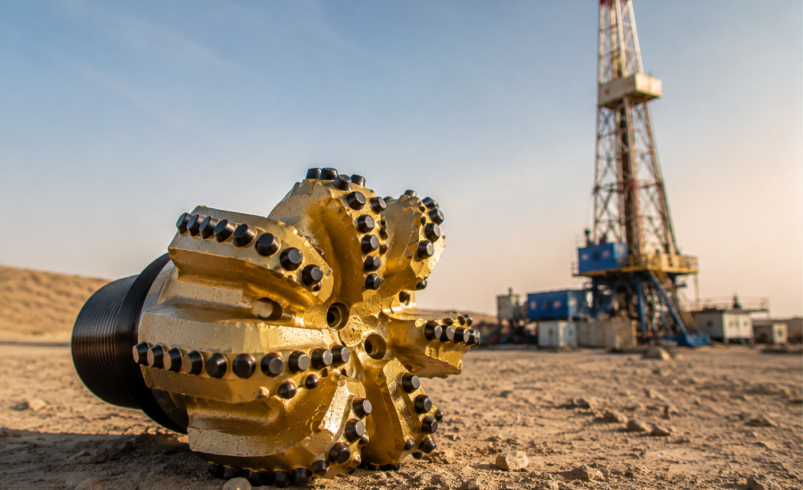
In these challenging environments, the PDC Drill Bit has become an essential technology for improving drilling performance. Designed with advanced diamond cutters and optimized cutting structures, PDC technology helps operators achieve higher penetration rates, improved stability, and longer operational runs.
However, Middle East oilfields present unique challenges, including highly abrasive formations, complex carbonate reservoirs, high temperatures, and changing geological conditions. Selecting the correct drilling technology, including PDC Drill Bits, Oilfield Tools, and Downhole Tools, is essential for achieving successful drilling outcomes.
Understanding the Challenges of Middle East Oilfield Drilling
Middle Eastern oilfields are known for their large-scale operations, but drilling conditions can vary significantly between regions and formations.
Common drilling challenges include:
- Hard and abrasive carbonate formations
- High-pressure and high-temperature environments
- Long horizontal well sections
- Formation changes during drilling
- Torque and vibration management issues
These conditions require drilling solutions that provide durability, stability, and consistent performance.
A standard drilling approach is often insufficient for complex wells. Operators need advanced Oilfield Equipment that can handle demanding conditions while maintaining productivity.
The Role of PDC Drill Bits in Middle East Drilling Operations
A PDC Drill Bit uses Polycrystalline Diamond Compact cutters to shear through rock formations rather than relying on traditional crushing methods.
This cutting mechanism provides several advantages for Middle East oilfield applications:
Higher Rate of Penetration (ROP)
One of the biggest advantages of PDC technology is improved drilling speed. In suitable formations, PDC cutters can efficiently remove rock, reducing drilling time and improving overall productivity.
Higher ROP helps operators:
- Reduce rig operating hours
- Lower drilling costs
- Improve project timelines
- Increase operational efficiency
For large-scale oilfield projects, even small improvements in drilling speed can create significant cost savings.
Improved Durability in Challenging Formations
Many Middle Eastern formations contain abrasive rock types that can quickly wear traditional drilling components.
Modern PDC designs incorporate:
- Advanced diamond cutter technology
- Optimized cutter placement
- Stronger bit bodies
- Improved wear resistance
These features help extend bit life and reduce the frequency of costly bit changes.
Better Stability and Torque Control
Vibration and torque fluctuations can negatively affect drilling performance. Excessive mechanical stress may damage cutters, reduce penetration efficiency, and create operational delays.
Advanced PDC designs focus on:
- Balanced cutter loading
- Improved blade geometry
- Reduced vibration
- Smoother drilling response
This is especially valuable in directional drilling applications where stability is critical.
Applications of PDC Drill Bits in Middle East Oilfields
Different drilling applications require different bit designs and performance characteristics.
Conventional Vertical Wells
Vertical wells remain common in many oilfield developments. For these applications, operators typically focus on achieving efficient penetration while maintaining bit durability.
PDC technology helps improve:
- Drilling speed
- Bit longevity
- Operational consistency
Directional and Horizontal Wells
Many modern Middle East projects involve extended-reach and horizontal drilling to maximize reservoir contact.
These applications require:
- Precise directional control
- Reduced vibration
- Improved torque management
- Reliable performance over long intervals
When combined with advanced Downhole Drilling Tools, PDC technology supports better well placement and improved reservoir access.
Complex Carbonate Formations
Carbonate reservoirs can present significant drilling challenges due to variations in hardness and abrasiveness.
Effective drilling requires PDC designs that can manage:
- Formation transitions
- Impact loading
- Cutter wear
- Changing drilling conditions
Proper bit selection is essential to maintain performance throughout the drilling section.
Best Practices for Selecting PDC Drill Bits in Middle East Operations
Choosing the right PDC technology requires detailed analysis of geological and operational factors.
Analyze Formation Characteristics
Before selecting a bit, engineers evaluate:
- Rock hardness
- Abrasiveness
- Compressive strength
- Formation variability
- Reservoir conditions
A bit optimized for one formation may not perform effectively in another.
Match Bit Design With Drilling Objectives
Different operations have different priorities.
Some projects may focus on:
- Maximum ROP
- Longer bit runs
- Reduced vibration
- Improved directional control
The ideal PDC design depends on the specific drilling objective.
Optimize Drilling Parameters
Even the best-designed bit requires proper operating conditions.
Important parameters include:
- Weight on bit (WOB)
- Rotary speed (RPM)
- Torque levels
- Hydraulic flow rate
- Mud properties
Poor parameter management can reduce bit performance and increase wear.
The Importance of Downhole Tools and Drilling Systems
PDC performance is closely connected with the complete drilling system. Modern oilfield operations use advanced Downhole Tools and monitoring technologies to improve control and efficiency.
These systems include:
- Measurement While Drilling (MWD)
- Logging While Drilling (LWD)
- Rotary steerable systems
- Vibration monitoring tools
These technologies provide real-time information about drilling conditions and allow engineers to make better operational decisions.
The combination of advanced PDC Drill Bits, downhole technologies, and optimized drilling practices creates a more efficient drilling environment.
Reducing Costs Through Better Equipment Selection
In large-scale Middle East oilfield operations, cost control is a major priority. However, reducing costs does not always mean selecting the cheapest equipment.
High-quality Oilfield Drilling Equipment can reduce total operating expenses by improving:
- Drilling speed
- Equipment reliability
- Bit life
- Operational predictability
Poor equipment selection can result in increased downtime, additional trips, and higher project costs.
For this reason, operators increasingly evaluate equipment based on lifecycle performance rather than initial purchase price.
Companies such as Drillexa focus on engineered drilling solutions designed to support challenging formations and improve drilling performance through advanced technology.
Future of PDC Technology in Middle East Oilfields
The future of drilling in the Middle East will continue moving toward smarter and more efficient technologies.
Future developments include:
- Advanced cutter materials
- Digital drilling optimization
- Real-time performance monitoring
- Automated drilling systems
- Improved formation modeling
These innovations will help operators manage increasingly complex reservoirs while improving safety and efficiency.
Conclusion
The use of PDC Drill Bits has transformed drilling operations across Middle East oilfields by providing improved penetration rates, enhanced durability, and better control in challenging formations.
However, successful drilling depends on more than selecting advanced technology. Operators must consider formation characteristics, drilling parameters, downhole conditions, and complete system integration.
By combining optimized PDC Drill Bits, advanced Oilfield Tools, reliable Downhole Tools, and effective drilling practices, oil and gas companies can improve productivity, reduce costs, and achieve more predictable drilling results.
FAQs
1. Why are PDC Drill Bits widely used in Middle East oilfields?
PDC Drill Bits are widely used because they provide high penetration rates, improved durability, and better performance in many challenging formations found in Middle East reservoirs.
2. What challenges affect PDC performance in Middle East drilling?
Common challenges include abrasive formations, high temperatures, changing geology, vibration, and torque management issues.
3. Are PDC bits suitable for carbonate formations?
Yes, specially designed PDC bits can perform effectively in carbonate formations when matched correctly with geological conditions.
4. How do Downhole Tools improve drilling operations?
Downhole Tools provide real-time data, improve directional control, monitor drilling conditions, and help optimize performance.
5. What factors should operators consider when selecting PDC Drill Bits?
Operators should consider formation type, drilling objectives, operating parameters, bit design, and compatibility with other drilling equipment.