
Quick Summary:
An organized rehearsal depends on more than musical talent. Proper equipment helps conductors manage scores, communicate with performers, and maintain an efficient practice environment. A well-designed conductor music stand provides a reliable workspace for directing rehearsals, while flexible alternatives support changing performance spaces and rehearsal requirements.
Introduction
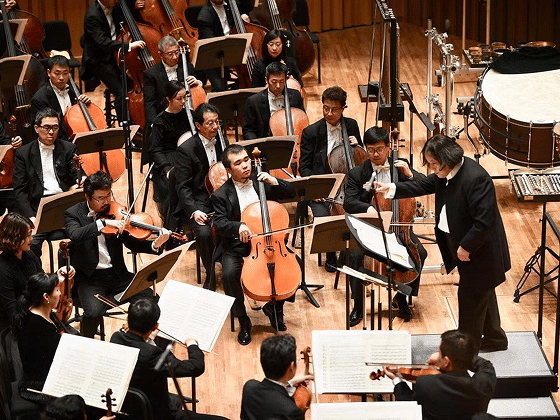
A successful musical performance begins long before the audience takes its seats. Behind every coordinated orchestra, school band, and musical ensemble is a carefully organized rehearsal process. Conductors must manage scores, communicate musical instructions, monitor performers, and maintain the rhythm of practice sessions. Having the right equipment can make these responsibilities easier. A conductor music stand provides a dedicated space for sheet music and rehearsal materials, helping conductors maintain focus and lead musicians effectively.
From professional orchestras to school music departments, rehearsal environments benefit from equipment that supports organization, flexibility, and comfort. Choosing suitable stands can improve how musicians prepare, follow instructions, and work together.
Why a Conductor Music Stand Is Essential for Organized Rehearsals
Conductors handle several responsibilities simultaneously. They follow musical scores, observe different sections, communicate timing, and identify areas that need improvement. Without a suitable setup, managing these tasks can become unnecessarily difficult.
A properly designed conductor music stand provides a stable and accessible surface for holding full musical scores, notes, and rehearsal instructions. Its height and positioning allow conductors to refer to written material while maintaining visibility of the ensemble.
Organization is particularly important during rehearsals involving multiple musical sections. Conductors may need to move between different passages, compare arrangements, or make notes about specific performances. Having all essential materials within reach reduces interruptions and helps maintain a productive rehearsal schedule.
How a Portable Music Stand Supports Flexible Rehearsal Spaces
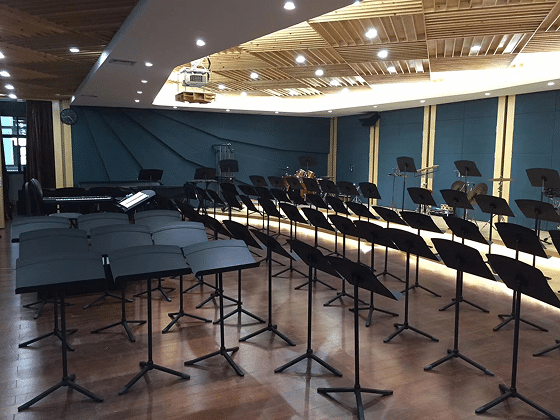
Not every rehearsal takes place in the same room. School bands may practice in classrooms, auditoriums, and multipurpose halls, while community ensembles may use rented spaces or temporary performance areas.
A portable music stand makes it easier to adapt to these changing environments. Its movable design allows musicians and conductors to arrange their equipment according to the available floor space and rehearsal requirements.
For example, a music instructor conducting a school ensemble may need to relocate between practice rooms throughout the week. Having a portable setup makes transportation and room preparation more convenient.
These stands are also useful for outdoor rehearsals, smaller performances, and temporary music workshops, provided their construction and stability suit the conditions.
Improving Communication Between Conductors and Musicians
Clear communication is essential for coordinated musical performances. Conductors rely on visual signals, gestures, and musical direction to guide performers through tempo changes, transitions, and expressive passages.
Equipment placement can influence how effectively these instructions are delivered. A suitable stand positions musical materials where conductors can read them without constantly lowering their heads or losing sight of performers.
A well-positioned portable music stand can also help individual musicians maintain access to their sheet music while keeping their attention on the conductor.
When equipment is arranged consistently, musicians can focus more easily on timing, coordination, and musical expression rather than adjusting their practice setup.
Supporting Comfort During Long Practice Sessions
Rehearsals can last for extended periods, making comfort an important consideration for conductors and performers. Repeated bending, awkward positioning, and poorly placed music materials can create unnecessary physical strain.
An adjustable conductor music stand allows users to position their scores at a suitable height and angle. This can help reduce the need for uncomfortable head and neck movements during practice.
Stability is equally important. A stand should support the intended sheet music load without excessive movement or unwanted tilting. Its base and construction should match the demands of regular rehearsal use.
For musicians who frequently change rooms, a portable music stand should also be easy to handle, set up, and store without sacrificing the stability required during performances.
Helping Music Schools and Ensembles Stay Organized
Music schools and educational institutions often manage several groups with different rehearsal schedules. Choirs, orchestras, instrumental classes, and school bands may share the same facilities.
Having suitable stands available makes it easier to prepare spaces for different activities. Clearly organized equipment can reduce setup time and help instructors begin lessons without unnecessary delays.
A portable music stand is especially useful when students and teachers need to move between classrooms, practice areas, and performance venues.
Institutions should also consider durability, ease of adjustment, storage requirements, and the frequency of use when selecting equipment. These practical details can influence long-term value and maintenance needs.
Choosing the Right Stand for Different Musical Requirements
Different musical environments require different equipment features. Conductors who regularly work with large scores may benefit from wider music surfaces and strong support structures. Individual musicians may prefer lightweight designs that are easier to transport.
Before purchasing, consider the following factors:
- Stability: The base should provide reliable support during regular use.
- Adjustability: Height and angle adjustments should accommodate different users.
- Music surface: The platform should provide sufficient room for the required sheet music.
- Durability: Materials should withstand frequent handling and repeated use.
- Storage: Folding or compact designs can make transportation and storage easier.
A portable music stand should be selected according to its intended environment rather than appearance alone. Matching equipment to actual rehearsal needs helps ensure dependable performance over time.
Building a More Productive Musical Environment
An effective rehearsal space combines suitable equipment, clear organization, and thoughtful planning. Music stands may appear to be simple accessories, but their placement and design can influence how comfortably conductors and musicians work together.
Organizations looking to improve their rehearsal facilities should consider equipment that supports both everyday practice and formal performances. Alges Corporation focuses on musical and performance-space furnishings, making it a relevant resource for institutions planning organized and functional music environments.
Conclusion
Great performances are built through preparation, coordination, and consistent practice. The right music equipment helps make this process more organized by giving conductors and musicians convenient access to their scores and rehearsal materials.
A suitable conductor music stand supports effective direction, while flexible equipment arrangements help ensembles adapt to different spaces and activities. By considering stability, comfort, adjustability, and durability, music schools, orchestras, and performance organizations can create rehearsal environments that encourage better preparation and more confident performances.