
Quick Summary:
Stage elevation plays an important role in successful musical rehearsals. A properly designed podium improves the conductor’s visibility, helps musicians follow visual instructions, and supports better communication across an ensemble. Choosing suitable equipment can also improve safety, comfort, and rehearsal organization in schools, theaters, and professional performance spaces.
Introduction
A successful orchestra depends on more than talented musicians and well-rehearsed musical arrangements. Behind every coordinated performance is a conductor who guides timing, expression, balance, and communication. However, one important element of this process is often overlooked: the conductor’s physical position within the rehearsal space. An orchestra conductor podium provides elevation that helps conductors remain visible while directing musicians, making it an important part of an organized musical environment.
Whether used in professional concert halls, school auditoriums, or community music facilities, the right podium can influence how effectively an ensemble communicates and performs. Understanding its role helps music directors and venue planners make better decisions about rehearsal equipment.
Why an Orchestra Conductor Podium Matters in Musical Rehearsals
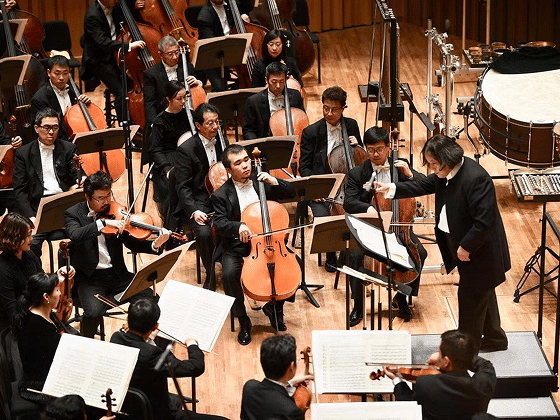
An orchestra may include dozens of musicians positioned across several rows and sections. Without sufficient elevation, a conductor may struggle to maintain clear visual contact with performers, particularly those seated farther back.
An orchestra conductor podium raises the conductor above the surrounding floor level, improving visibility and making hand movements easier for musicians to observe.
This elevation is especially valuable when conducting larger ensembles. Musicians rely on visual signals to recognize tempo changes, entrances, pauses, and dynamic instructions. A clear view of the conductor helps performers respond together rather than depending entirely on written music.
A properly positioned podium also establishes a recognizable focal point within the rehearsal space, helping musicians understand where musical direction originates.
How Stage Elevation Improves Communication
Communication in an orchestra involves more than verbal instructions. Conductors use gestures, facial expressions, posture, and baton movements to communicate musical ideas.
When musicians can clearly see these signals, they have a better opportunity to coordinate their playing. This is particularly important during complicated passages involving sudden tempo changes, transitions, and different instrumental sections.
Well-designed conductor podiums help establish a suitable height for the conductor, allowing visual instructions to reach musicians across the ensemble.
For example, during a rehearsal involving strings, brass, and percussion, a conductor may need to signal different sections at precise moments. Better visibility can make these instructions easier to recognize and follow.
Although elevation alone cannot guarantee better performance, it supports the visual communication required for effective musical coordination.
The Connection Between Podium Design and Rehearsal Efficiency
Rehearsal time is valuable. Conductors must identify mistakes, explain musical sections, repeat difficult passages, and guide performers toward a consistent interpretation.
Equipment that creates unnecessary distractions can interrupt this process. An unstable platform, unsuitable height, or limited standing space may make conducting less comfortable.
A suitable podium provides a dependable working surface where conductors can stand securely and concentrate on leading the ensemble.
Modern conductor podiums should be selected with practical requirements in mind, including platform dimensions, construction quality, surface grip, and ease of placement.
For institutions that conduct regular rehearsals, investing in suitable equipment can support a more organized environment and reduce avoidable setup difficulties.
Safety and Stability: Essential Features of Conductor Podiums
Elevation introduces an important responsibility: safety. Since conductors repeatedly step onto and off a raised platform, the podium must provide dependable support.
Several design features deserve attention:
- Stable construction: The platform should support its intended load without unwanted movement.
- Non-slip surface: Suitable surface materials can help reduce slipping risks.
- Appropriate dimensions: The standing area should provide enough room for natural movement.
- Secure positioning: The podium should remain firmly placed during use.
- Suitable access: Steps or other access features should be appropriate for the platform design and intended users.
These considerations are particularly important in schools and shared performance spaces where equipment may be used by people with different levels of experience.
A well-built orchestra conductor podium should balance practical design with dependable support.
Choosing Podiums for Different Performance Environments
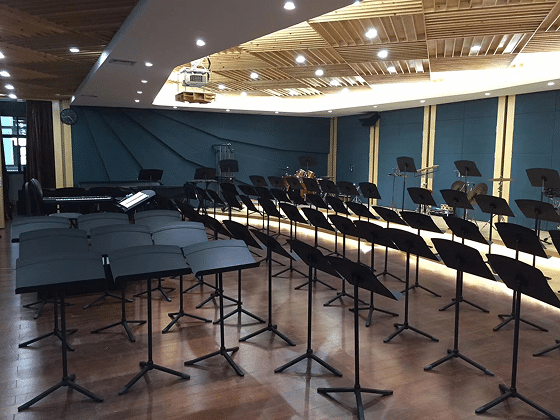
Not every musical venue has the same requirements. A professional orchestra may need a permanent podium designed for frequent use, while a school auditorium may benefit from equipment that can be moved or stored when required.
Conductor podiums should therefore be selected according to the size of the ensemble, available floor space, frequency of use, and storage needs.
For smaller rehearsal rooms, a compact platform may be sufficient. Larger performance spaces may require a wider standing area and a design that provides suitable visibility across the ensemble.
Venue managers should also consider how the podium fits into the overall stage arrangement. It should not obstruct musicians, interfere with instrument placement, or restrict movement around the performance area.
Supporting Music Education and Professional Development
Podiums are useful in educational environments because they help music teachers demonstrate conducting techniques and guide student ensembles.
Students learning to conduct need to develop confidence in their gestures, timing, and communication. A suitable platform gives them a clearly defined position from which to direct their classmates.
In professional settings, the same equipment supports consistent rehearsal arrangements. Having a reliable platform available allows conductors to focus on musical interpretation rather than equipment-related concerns.
Organizations such as Alges Corporation, which focuses on musical and performance-space furnishings, are relevant resources for institutions planning functional rehearsal and performance environments.
Creating Better Rehearsals Through Thoughtful Equipment Selection
A productive rehearsal environment depends on several elements working together. Acoustic conditions, lighting, musician placement, stage dimensions, and conducting equipment all contribute to the overall experience.
When selecting an orchestra conductor podium, organizations should consider long-term durability, stability, appropriate elevation, and the needs of the people who will use it.
Well-chosen conductor podiums can help establish a more organized rehearsal space while supporting clear communication between conductors and musicians.
Rather than treating stage elevation as a minor detail, venue planners should recognize it as an important part of musical space design.
Conclusion
Stage elevation has a meaningful role in the way orchestras rehearse and perform. A suitable podium improves the conductor’s visibility, supports visual communication, and provides a stable position for directing musicians.
From school music programs to professional concert venues, choosing the right equipment can contribute to safer and more organized rehearsals. By prioritizing stability, dimensions, surface grip, and practical placement, organizations can create performance spaces that support both conductors and musicians.