
A beautiful garden does not have to depend on constant watering, extensive lawn care, or plants that struggle during hot weather. With thoughtful planning, homeowners can create outdoor spaces that combine attractive colors, interesting textures, and practical water conservation. The key is choosing the right plants, organizing garden areas effectively, and designing around the conditions that naturally occur in Central Texas.
Choosing Xeriscape in Austin Texas is one way homeowners can develop a landscape that looks intentional while making better use of water. Xeriscaping combines climate-appropriate plants, efficient irrigation, suitable ground coverings, and practical design principles. Transformed Landscaping Co. helps homeowners explore water-conscious landscaping solutions that complement their properties and outdoor living preferences.
What Makes a Xeriscape Garden Different?
Xeriscaping is often misunderstood as a landscape filled entirely with gravel, rocks, and spiky plants. In reality, it can include colorful flowers, flowering shrubs, ornamental grasses, shade trees, stone pathways, and comfortable outdoor spaces. The goal is to create a garden that uses water thoughtfully without sacrificing visual appeal.
A well-designed xeriscape begins with understanding the property’s conditions. Areas receiving direct afternoon sunlight may require different plants from shaded spaces beneath established trees. Sloped sections may need erosion control, while compacted soil can influence how water moves through the garden.
Rather than treating every part of the yard identically, homeowners can create distinct planting areas based on sunlight, soil, and moisture requirements. This approach makes the landscape easier to manage and helps each section serve a clear purpose. For homeowners exploring Xeriscape in Austin Texas, the result can be a garden that feels natural, organized, and connected to the surrounding environment.
Create Visual Interest With Different Plant Layers
A successful water-wise garden needs more than plants that tolerate dry conditions. Their arrangement determines whether the landscape feels complete or looks like a collection of unrelated specimens. Combining plants of different heights, shapes, and textures can create depth and make even a relatively small yard feel thoughtfully designed.
Low-growing ground covers can soften the edges of pathways, while medium-sized flowering plants introduce color throughout the garden. Taller shrubs and appropriately positioned trees can provide structure, privacy, and shade. Ornamental grasses add movement as the wind passes through their leaves, creating visual interest even when flowering plants are not in bloom.
Repeating selected plant varieties in different areas can also make the garden feel cohesive. For example, a particular grass might appear along a walkway and reappear beside a patio, connecting the two spaces without making them identical. Transformed Landscaping Co. offers landscape design and Texas-native planting services that can help homeowners develop these combinations. With a suitable arrangement, Xeriscape in Austin Texas can support a polished garden style rather than a sparse or unfinished appearance.
Select Plants That Suit Central Texas Conditions
Plant selection is one of the most important decisions in a water-conscious landscape. Austin experiences hot summers, changing rainfall patterns, and a variety of property conditions. A plant that thrives in one part of a yard may struggle in another because of differences in sunlight, drainage, or soil.
Texas-native and regionally adapted plants can be useful choices because many are suited to local growing conditions. Depending on the location and design, homeowners might consider Texas sage, native salvias, purple coneflower, or suitable ornamental grasses. Each plant should be evaluated for its mature size, sunlight requirements, water needs, and seasonal appearance before being installed.
It is also important to think beyond the first few months after planting. Small nursery plants can eventually become substantial shrubs, and trees need sufficient room for their canopies and roots. Correct spacing helps prevent overcrowding and reduces the need for frequent pruning. A balanced selection of evergreen plants, seasonal flowers, and structural greenery can keep the landscape interesting throughout the year. When homeowners plan Xeriscape in Austin Texas, choosing plants according to the actual site conditions can support healthier growth and more manageable maintenance.
Use Stone, Mulch, and Pathways With Purpose
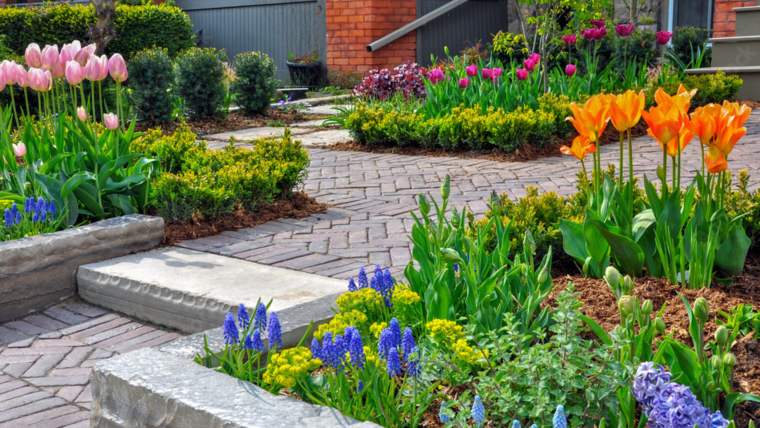
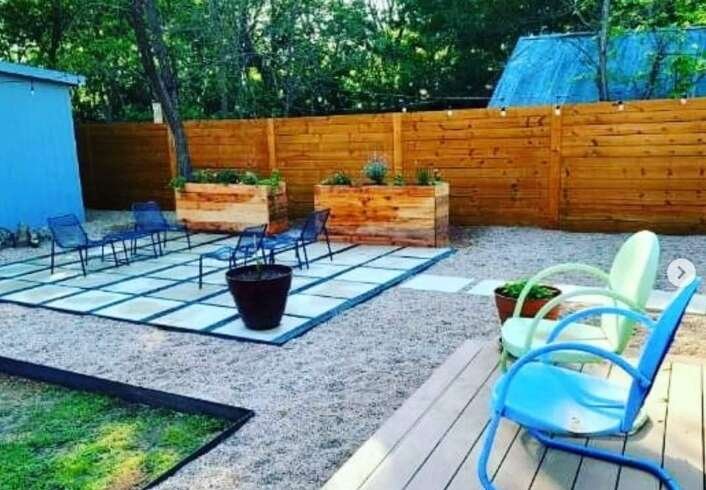
Hardscape materials help give a xeriscape garden its structure. Stone borders, stepping paths, decorative gravel, and paved seating areas can separate planting zones and create useful connections across the property. When selected carefully, these features also complement the colors and textures of the vegetation.
For instance, a winding pathway can guide visitors through a planted garden, while a small paved area can provide a comfortable place to sit among flowering shrubs. Decorative stone can highlight a feature bed, and clearly defined edges can make the transition between planting areas and walking surfaces feel more deliberate.
Mulch also plays an important role in many planting beds. An appropriate layer can help moderate soil temperatures, limit weed growth, and reduce moisture loss. The best material depends on the plants, the garden’s appearance, and local site conditions. Mulch should be applied appropriately rather than piled against plant stems or tree trunks. Transformed Landscaping Co. provides hardscaping solutions such as patios, borders, retaining walls, and steps. Integrating these elements into Xeriscape in Austin Texas can create a landscape that combines visual character with practical everyday use.
Make Irrigation More Efficient
Water-conscious landscaping does not mean newly installed plants should be left without sufficient moisture. Plants often require careful watering while their roots establish, even when they are selected for drought tolerance. The long-term goal is to supply water according to actual plant needs rather than applying the same amount everywhere.
Grouping plants with similar moisture requirements makes irrigation easier to manage. Drip irrigation can be suitable for many garden beds because it delivers water near plant roots, although the appropriate system depends on the landscape layout. Homeowners should also inspect irrigation equipment regularly for leaks, blocked emitters, and poorly positioned outlets.
Watering schedules should reflect seasonal conditions, soil characteristics, and plant maturity. Newly planted vegetation may need more frequent attention than established plants, while heavy rainfall may reduce the need for supplemental irrigation. A well-planned system can help limit unnecessary water use while supporting plant health. Transformed Landscaping Co. offers irrigation and xeriscaping services that can be incorporated into a broader landscape design. Combining these services can help homeowners build a more consistent approach to outdoor water management.
Rethink Lawn Space Without Losing Functionality
Some homeowners assume a water-wise landscape requires removing every section of grass. However, the best design depends on how the household uses its outdoor space. Families may want an open area for recreation, while other homeowners may prefer more garden beds, shaded seating, or a quiet place to enjoy the outdoors.
A practical approach is to identify which lawn areas serve a genuine purpose and which remain unused. Grass can be retained where it provides useful recreational space, while less functional sections can be converted into suitable planting beds, pathways, or decorative areas.
This change can give the yard a more distinctive layout and reduce the amount of space devoted to turf that requires regular care. It can also create opportunities for native plants and other features that support the overall design. When planning Xeriscape in Austin Texas, the aim should be to balance household needs, appearance, and responsible water use rather than follow a one-size-fits-all formula.
Design for Easier Seasonal Maintenance
A water-wise landscape still requires attention, especially during its establishment period. Appropriate pruning, occasional weeding, irrigation checks, and the replacement of unsuccessful plants may be necessary. However, suitable plant choices and an organized layout can make these tasks more manageable. Homeowners should consider maintenance expectations before selecting plants and materials. Fast-growing shrubs may require more frequent trimming, while a densely planted bed can become difficult to access if spacing is inadequate. Pathways and defined planting borders can make routine care more convenient.
Seasonal inspections provide an opportunity to check plant health, refresh mulch where needed, and identify drainage or irrigation problems. As the garden matures, adjustments may help preserve the intended design and maintain appropriate spacing. Transformed Landscaping Co. offers landscape design, installation, and lawn and garden maintenance services to support homeowners at different stages of their landscaping projects.
Work With a Plan That Fits Your Property
Every property has different opportunities and limitations. The size of the yard, existing trees, drainage patterns, architectural style, and homeowner preferences all influence the final design. A professional planning process can bring these considerations together before installation begins.
Transformed Landscaping Co. provides custom two-dimensional and three-dimensional landscape design services, helping homeowners visualize how planting areas, pathways, hardscaping, and other outdoor features will work together. Reviewing a plan in advance can make it easier to discuss materials, priorities, and the overall direction of the project.
Homeowners considering Xeriscape in Austin Texas should discuss their preferred appearance, maintenance expectations, irrigation needs, and budget before committing to a design. This creates a clearer starting point for developing a landscape that fits both the property and the people who use it.
Conclusion
A water-wise garden can be colorful, welcoming, and full of character when its plants, materials, and layout are chosen carefully. From layered native planting and purposeful stone pathways to efficient irrigation and practical lawn planning, every feature can contribute to a landscape that balances beauty with responsible water use.
Transformed Landscaping Co. offers xeriscaping, Texas-native planting, landscape design, hardscaping, irrigation, and related outdoor services to help homeowners improve their properties. For anyone considering Xeriscape in Austin Texas, the best starting point is a plan that reflects the site’s conditions and the household’s needs. With thoughtful design and appropriate ongoing care, a water-conscious landscape can become an attractive and functional extension of the home.