
Have you seen any dark spots on your ceiling? You may be wondering what causes ceiling mould. In most cases, moisture is the main reason. In general, moisture is considered the major factor behind it.
Singapore has an environment that is hot and humid, so it has a high level of moisture content in the air. And if moisture remains for a long time on the ceiling, then it results in problems.
The best part is that such a problem can be prevented. All you need to do is to first determine the source of moisture.
What Causes Ceiling Mould?
There are a few common reasons why this problem starts. Some are easy to notice. Others may need a closer look.
1. High Humidity
High humidity is a common problem in Singapore homes. Moist air can settle on cool surfaces. This includes ceilings.
Bathrooms and kitchens can have even more moisture. Showering and cooking add water to the air.
If the room does not have good airflow, the moisture can stay there for a long time.
Use an exhaust fan when you shower or cook. Open a window when you can. These simple steps can help the room dry faster.
2. Water Leaks
A leaking pipe can cause a wet patch on the ceiling. Sometimes the leak is small and hard to notice.
You may first see a yellow or brown stain. The paint may also start to peel or bubble.
You may also notice a musty smell.
Do not just paint over the stain. First, find the leak and fix it. Otherwise, the problem may come back.
3. Poor Ventilation
Fresh air helps keep rooms dry. Without good airflow, moisture can stay inside for a long time.
Bathrooms are a common example. After a shower, the room can become very humid. If the steam has nowhere to go, it can settle on the ceiling.
Run the exhaust fan during and after a shower. Leave the bathroom door or window open when suitable.
Good airflow can make a big difference.
4. Air-Conditioning Problems
Your air conditioner can also cause moisture problems.
An AC unit removes moisture from the air. The water should drain away through a pipe. If the drain becomes blocked, water may collect around the unit.
This can lead to stains or damp areas on the nearby ceiling.
If you see water around your AC unit or notice a stain below it, have the system checked.
5. Condensation
Condensation happens when warm air meets a cold surface. You may have seen water drops form on a cold glass. A similar thing can happen on a ceiling.
This can be more common in rooms that are heavily air-conditioned.
A little condensation is usually not a major concern. But if the ceiling stays wet again and again, it can become a problem.
Better airflow and good humidity control can help.
6. Roof Leaks
Sometimes the water comes from outside the room.
A damaged roof or poor waterproofing can allow rainwater to enter the building. The water may then reach the ceiling.
You may notice a small stain at first. If the leak continues, the stain can become larger.
If the same spot keeps getting wet, check the area above the ceiling. There may be a leak that needs to be repaired.
Why Does the Problem Keep Coming Back?
You may clean the ceiling and see that the stains will disappear. However, what if they reappear after a couple of weeks?
It simply shows that the root cause of the problem has not been addressed.
For instance, cleaning alone will not keep your ceiling dry if there is a leaky pipe.
High humidity will have the same effect. In case of dampness, the problem can occur again despite cleaning.
This is the reason why you must find out where the moisture comes from.
Signs to Look For
The problem may start small. Look out for these signs:
- Black or dark spots
- Yellow or brown stains
- Peeling paint
- Bubbling paint
- Damp patches
- A musty smell
- Discoloured areas
Do not ignore these signs. A small patch can become harder to manage if the moisture problem continues.
How Can You Prevent It?
There are a number of simple things that you could do at home.
Ventilate your rooms. Have an exhaust fan in your bathrooms and kitchen. Whenever possible, open the windows.
Manage indoor humidity. If your house feels moist, use a dehumidifier. Your AC unit will also help in managing the moisture, provided it is functioning normally.
Check for leakages. Check areas near water pipes, bathrooms, and your AC unit. Ensure any leakages are fixed as soon as possible.
Maintain a dry ceiling. Ensure that the moisture does not accumulate on the surfaces for extended periods.
Do not overlook repeated stains. If there are recurring stains, find out the reason.
When Should You Get Professional Help?
Cleaning a small area can be done on your own. However, there are times when you may need the services of a professional. You need to consider getting assistance in case the problematic area keeps on recurring.
Also, if you have water damage or the patch keeps on spreading, you may consider getting an expert to check the problem. An expert will help identify the source of the moisture.
This can save you from cleaning the same area again and again.
Conclusion
Therefore, what causes ceiling mould? The main reason is moisture. High humidity, inadequate ventilation, leakage, condensation, AC problems, and roof problems can all be reasons for this phenomenon.
The cleaning of the ceiling can eliminate the visual appearance of mould. However, it won’t do any good if there is still moisture on the ceiling.
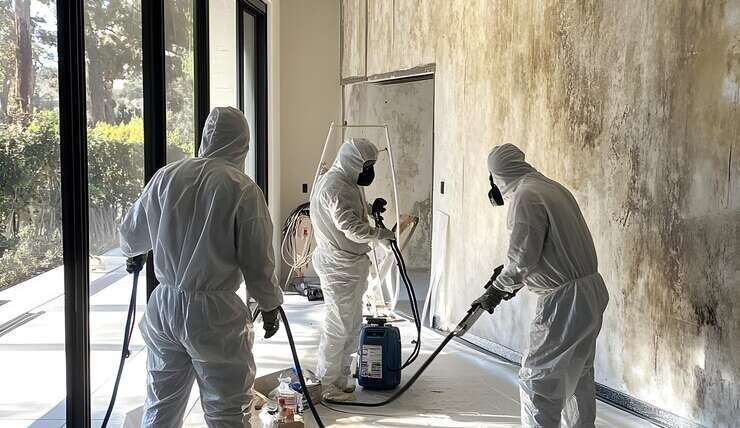
In case of recurring problems, identify the source of the problem before trying to clean or repaint the ceiling. It’s better to get a professional mould removal service, find the cause, and recommend the right treatment.