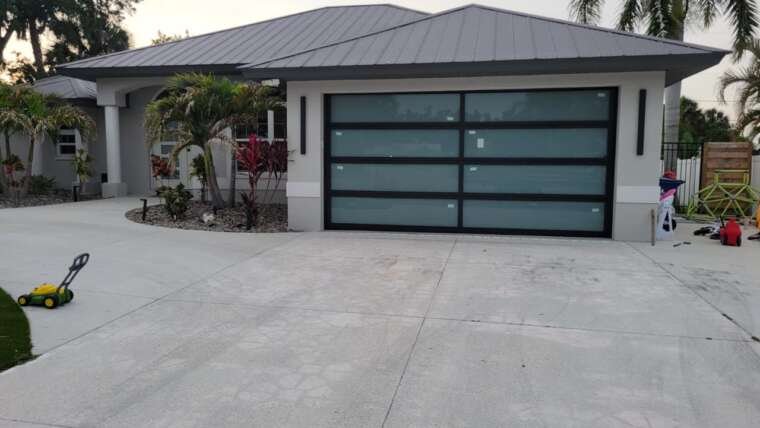

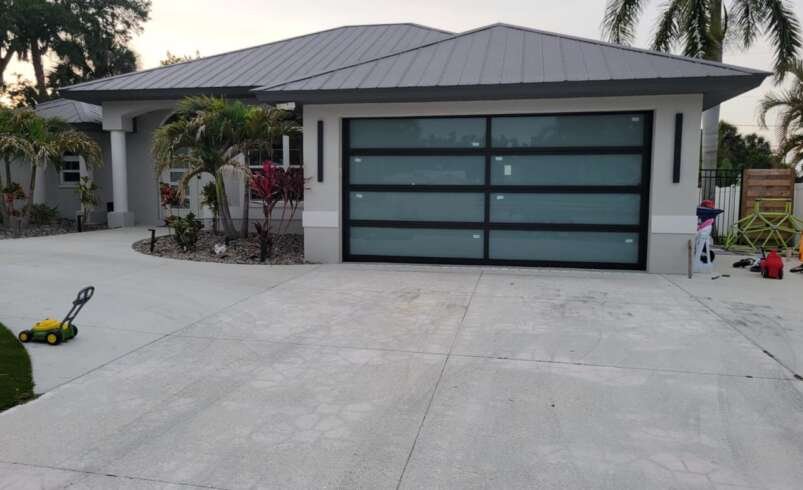

Spring problems are not always obvious at first. You may notice that the door moves more slowly than usual, makes unusual sounds, or seems heavier when using it manually. Because garage door springs are under substantial tension, diagnosing or replacing them is generally a task better handled by someone with the appropriate experience and equipment.
A garage door can feel effortless to operate when every component is working properly. Springs play a major role in that balance by helping support the door’s weight as it opens and closes. When a spring becomes worn, stretched, or broken, the door may suddenly become difficult to lift, noisy, uneven, or completely unusable. Understanding the basics of Affordable Garage Door Spring Replacement Services in Palm Beach County, FL can help homeowners recognize potential problems before they become more disruptive.
For homeowners who need to understand their options or arrange professional assistance, Palma Group Pro Garage Doors provides a relevant starting point for learning more about garage door services. Before scheduling any work, however, it is useful to understand what springs do, what warning signs to watch for, and what factors can affect the replacement process.
Why Are Garage Door Springs So Important?
Garage door springs are part of the counterbalance system that makes a heavy garage door manageable. Without properly functioning springs, the opener and other hardware may have to work much harder than intended.
How Springs Support the Door
Most residential garage doors use either torsion springs or extension springs. Torsion springs are commonly positioned above the garage door opening, while extension springs are typically located alongside horizontal tracks.
Both systems store mechanical energy and release it as the door moves. This helps offset much of the door’s weight. When the springs are functioning correctly, the door can move more smoothly and the opener does not have to carry the entire load by itself.
A spring does not necessarily fail because of one dramatic event. Repeated opening and closing cycles gradually cause wear. Temperature changes, corrosion, improper adjustment, and normal aging can also contribute to deterioration.
Why a Broken Spring Can Stop Normal Operation
A broken spring can make a garage door surprisingly difficult to move. You may hear a loud snap when the spring breaks, although a failure can also be discovered when the door simply refuses to open normally.
If the door feels unusually heavy or becomes crooked during operation, continuing to use it may place additional strain on other components. A damaged spring can also affect cables, rollers, tracks, hinges, and the automatic opener.
What Are the Warning Signs of a Failing Spring?
Knowing the early warning signs can help homeowners respond before a minor mechanical issue becomes a larger garage door problem.
The Door Becomes Heavy or Difficult to Lift
One of the clearest signs is a noticeable increase in the door’s weight when operated manually. A properly balanced garage door should not require excessive force to lift.
If a door suddenly feels extremely heavy, do not assume the opener simply needs more power. The problem may involve the spring system or another part of the counterbalance mechanism.
Unusual Noises or Visible Damage
Aging springs can produce squeaking, popping, or other unfamiliar sounds. Noise by itself does not prove that a spring needs replacement, but it can justify having the system inspected.
Visible gaps in a torsion spring are another potential indication of breakage. With extension springs, the appearance of a stretched or damaged component may also indicate trouble. Homeowners should avoid touching or manipulating springs to investigate the problem.
The Door Opens Unevenly
If one side of the garage door rises higher than the other, the issue could involve springs, cables, tracks, or other hardware. An uneven door should not be ignored because continued operation can place additional stress on the system.
A garage door that becomes stuck partway open or closed also deserves attention rather than repeated attempts to force it through the cycle.
How Does Garage Door Spring Replacement in Palm Beach County, FL Work?
The replacement process depends on the type of spring, door design, existing hardware, and condition of the overall system. A professional generally begins with an inspection rather than immediately replacing a component.
Inspection and Identification
The first step is determining what type of spring system the garage door uses and identifying the cause of the problem. A technician may examine the springs, cables, drums, rollers, hinges, tracks, brackets, and opener.
This broader inspection matters because a spring failure can sometimes reveal wear elsewhere in the door system. Replacing only the visibly damaged component may not address another underlying problem.
Selecting the Appropriate Replacement
Garage door springs are not interchangeable simply because they look similar. Factors such as spring dimensions, wire size, door weight, and the existing hardware configuration can affect which replacement is appropriate.
Using an unsuitable spring can interfere with the door’s balance and operation. Proper matching is therefore an important part of the replacement process.
Testing the Door After Replacement
Once the appropriate component has been installed, the door should be checked for balance and smooth movement. The opener’s operation may also need to be evaluated.
A properly functioning system should move without excessive resistance, unusual movement, or unnecessary strain. Testing can help identify related issues before the garage door is returned to normal use.
What Should Homeowners Consider Before Scheduling Service?
A little preparation can make a garage door service appointment more straightforward and help homeowners ask useful questions.
Ask What Caused the Failure
A broken spring is the immediate problem, but it is reasonable to ask why the spring failed and whether other components show signs of wear.
Useful questions include:
- What type of spring system does the door use?
- Is the other spring showing significant wear?
- Are the cables, rollers, and tracks in good condition?
- Does the opener appear to be operating normally?
- Does the door need additional adjustment?
The answers can provide a clearer picture of the condition of the entire system.
Consider the Age and Condition of the Door
Spring replacement may restore normal operation, but the condition of the rest of the garage door still matters. Older doors can have worn rollers, hinges, cables, weather seals, or panels.
If several components are deteriorating, discussing the overall condition with a professional may help determine whether replacement, repair, or additional maintenance makes sense.
Pay Attention to Coastal Conditions
Palm Beach County’s environment can expose exterior metal components to moisture and salty air, particularly in areas closer to the coast. Corrosion can affect certain garage door hardware over time.
Regular visual inspections and appropriate maintenance can help homeowners notice rust, deterioration, or other changes before they interfere with operation. Any significant corrosion around a spring or related hardware should be evaluated professionally.
What Mistakes Should You Avoid?
Garage doors combine heavy materials, moving parts, and high-tension components. A cautious approach can reduce unnecessary risks.
Do Not Attempt to Release Spring Tension
Garage door springs store considerable energy. Attempting to loosen, remove, adjust, or replace a spring without the correct tools and knowledge can result in serious injury or property damage.
A broken spring may look like a straightforward mechanical repair, but the stored tension makes the work more specialized than many homeowners expect.
Do Not Rely on the Opener to Lift a Broken Door
An automatic opener is designed to operate a properly balanced door. It is not intended to compensate for a failed spring system.
Repeatedly activating an opener when the door is unusually heavy or damaged can put additional stress on the motor and drive components. If the door suddenly stops operating normally, it is better to stop and determine the cause.
Do Not Ignore Small Changes
A garage door often provides warning signs before a component fails completely. Increased noise, slower movement, uneven travel, or unusual vibration can all be reasons to arrange an inspection.
Addressing developing problems early may also make it easier to identify worn components before they affect other parts of the system.
How Can Homeowners Maintain a Garage Door After Repair?
Spring replacement is not necessarily the end of garage door maintenance. Routine observation can help keep the system operating reliably.
Watch the Door’s Movement
Pay attention to whether the door opens and closes smoothly and evenly. Sudden changes in movement should not be dismissed as normal aging.
Homeowners can also keep the area around the garage door clear so that objects do not interfere with the tracks or moving components.
Schedule Professional Inspections When Needed
There is no need to wait for a complete failure before having a garage door evaluated. If the system becomes noisy, unbalanced, or difficult to operate, professional inspection can help determine whether maintenance or repair is appropriate.
Routine care is particularly useful when a garage door is used frequently. The more cycles a door completes, the more opportunities there are for mechanical components to experience normal wear.
Frequently Asked Questions
How long do garage door springs typically last?
Spring lifespan varies according to the spring design, door weight, usage frequency, installation, and environmental conditions. Springs are mechanical components that eventually wear out, so there is no single replacement interval that applies to every garage door.
Can I replace a garage door spring myself?
Spring replacement involves components under significant tension and requires specialized tools and procedures. Because incorrect handling can cause serious injury, homeowners without appropriate training should generally leave spring replacement and adjustment to qualified professionals.
Should both garage door springs be replaced at the same time?
If a garage door uses a pair of springs and one has failed, the condition of the other should be evaluated. Springs installed at the same time may have experienced similar wear, but the appropriate approach depends on the specific door and hardware.
What should I do if my garage door will not open because of a broken spring?
Avoid repeatedly operating the automatic opener or attempting to force the door upward. Keep people away from the damaged components and arrange for the system to be inspected. A professional can determine whether the spring, cables, or other hardware require repair.
Conclusion
For homeowners researching Affordable Garage Door Spring Replacement Services, the most practical approach is to understand the warning signs, avoid attempting high-tension repairs without proper training, and have the complete door system evaluated when a spring fails. With appropriate repair and regular attention to the door’s condition, homeowners can help keep their garage door operating reliably and avoid unnecessary strain on connected components.
Garage door springs perform an essential balancing function, and their condition can directly affect how safely and smoothly a garage door operates. Heavy movement, unusual sounds, uneven travel, and visible spring damage are signs that deserve attention rather than repeated use.