

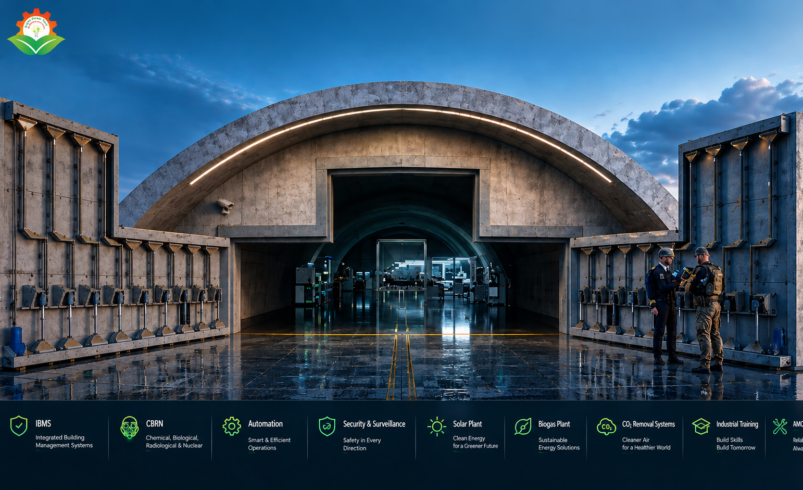

Every minute counts when an aircraft must move from a maintenance bay to the runway. During heavy rain, strong crosswinds, or emergency deployments, the performance of a Hangar door system can directly influence operational efficiency, safety, and aircraft protection. While the door itself may appear to be a simple access point, the choice between hydraulic and electric operating systems significantly affects reliability, maintenance, energy consumption, and long-term ownership costs. Understanding these differences helps airport operators, defence organisations, and industrial facility managers make informed infrastructure decisions.
Why the Right Hangar Door Operating System Matters
Modern aviation infrastructure relies on large access systems capable of moving massive door panels safely and consistently. Whether installed at a commercial airport, military airbase, or maintenance facility, an Aircraft hangar door must withstand demanding operating conditions while providing smooth and dependable performance.
Today’s airplane hangar doors are available with either hydraulic or electric drive systems. Both technologies have proven track records, but each suits different operational requirements depending on facility size, frequency of use, environmental conditions, and maintenance capabilities.
Understanding Hydraulic Hangar Door Systems
A hydraulic Hangar door operates using hydraulic pumps, cylinders, valves, and pressurised fluid to move large door panels. The hydraulic power unit generates pressure, which transfers force to cylinders attached to the door structure.
This design is particularly effective for extremely large doors because hydraulic systems generate high lifting force while maintaining controlled movement. Even under heavy wind loads or uneven structural loading, hydraulic mechanisms generally deliver stable performance.
Advantages of Hydraulic Systems
- High lifting capacity for oversized door structures
- Smooth movement under heavy loads
- Reliable performance during frequent industrial operations
- Suitable for wide-span aviation facilities
- Effective load distribution across large panels
Hydraulic systems are commonly selected for defence installations, aerospace manufacturing plants, and heavy-duty aircraft maintenance hangars where door size and structural weight are primary considerations.
Limitations of Hydraulic Systems
Hydraulic systems require routine inspection of hoses, seals, pumps, and hydraulic fluid. Any leakage can reduce efficiency and create maintenance challenges. Cold climates may also influence fluid viscosity, requiring specialised hydraulic oils.
How Electric Hangar Door Systems Work
Electric systems use motors, gearboxes, rack-and-pinion assemblies, chains, or cable-driven mechanisms to move the door. Modern automation integrates programmable controllers, variable-frequency drives (VFDs), safety sensors, and remote monitoring.
Instead of relying on hydraulic pressure, electric motors convert electrical energy directly into mechanical movement.
Advantages of Electric Systems
Electric-powered Hangar door design has become increasingly popular because it offers:
- Lower routine maintenance
- Higher energy efficiency
- Cleaner operation without hydraulic oil
- Easier integration with building automation systems
- Precise speed and positioning control
Many modern aviation facilities favour electric systems because predictive maintenance software can continuously monitor motor health, operating cycles, and electrical performance.
Where Electric Systems May Be Less Suitable
Very large or exceptionally heavy doors may require multiple motors or additional engineering to achieve the same lifting capacity as hydraulic systems. Power redundancy also becomes important in facilities where uninterrupted operation is essential.
Hydraulic vs Electric: Key Engineering Comparison
Structural Performance
Hydraulic systems excel when moving exceptionally heavy door panels with minimal stress on mechanical components. Electric systems perform exceptionally well for medium and large installations where weight remains within motor design limits.
Energy Efficiency
Electric systems generally consume less energy because power is used only while the door moves. Hydraulic pumps may consume additional energy depending on system configuration.
Maintenance Requirements
Electric systems typically involve fewer routine servicing tasks.
Hydraulic systems require scheduled inspection of cylinders, fluid quality, seals, hoses, and pumps to maintain peak performance.
Safety Features
Both technologies can incorporate:
- Obstacle detection
- Emergency stop systems
- Wind sensors
- Manual override capability
- Backup power integration
- Remote operation
Safety performance depends more on engineering quality than on whether the system is hydraulic or electric.
Key Features That Improve Long-Term Performance
Regardless of the operating mechanism, modern Hangar door systems should include several critical engineering features:
- High structural strength for large clear-span openings
- Corrosion-resistant steel or aluminium components
- Wind-load resistance suitable for regional conditions
- Weather sealing against dust, rain, and snow
- Energy-efficient insulation where climate control is required
- Automated monitoring and fault diagnostics
- Secure locking systems for aircraft protection
- Low-maintenance roller and guide assemblies
These features extend service life while reducing operational downtime.
Typical Applications
Hydraulic and electric systems are widely used across numerous aviation and industrial sectors, including:
- Commercial aircraft hangars
- Military airbases
- Defence infrastructure
- MRO facilities
- Aerospace manufacturing plants
- Helicopter hangars
- Aviation training academies
- Industrial warehouses
- Large logistics centres
The appropriate operating technology depends on operational priorities rather than facility type alone.
Cost and Investment Factors
The overall investment extends well beyond the initial purchase price.
Major cost factors include:
- Door dimensions
- Structural steel requirements
- Material quality
- Wind-load engineering
- Automation level
- Safety systems
- Installation complexity
- Manufacturing precision
- Future maintenance costs
- Availability of spare parts
Although hydraulic systems may involve higher maintenance over time, they often provide excellent value for exceptionally large installations. Electric systems may deliver lower lifecycle costs where operational efficiency and reduced servicing are priorities.
Buyer’s Guide: Choosing the Right Manufacturer
When evaluating Hangar door manufacturers in India, buyers should consider far more than product pricing.
Important evaluation criteria include:
- Proven experience with aviation infrastructure
- Engineering and structural analysis capability
- Compliance with recognised manufacturing standards
- Custom Hangar door design expertise
- Automation integration experience
- Installation capability
- Long-term maintenance support
- Availability of replacement components
- Project references involving large aviation facilities
Companies such as Sigma Power Tech Hangar door solutions are recognised because they combine manufacturing capability with installation and lifecycle support, reflecting the role of Sigma Power Tech manufacturer and service provider in delivering complete infrastructure solutions rather than supplying only door hardware.
Common Mistakes to Avoid
Many procurement decisions create avoidable long-term operational problems.
Common mistakes include:
- Selecting a system based only on initial cost
- Ignoring structural loading calculations
- Choosing an unsuitable operating mechanism
- Underestimating local wind conditions
- Overlooking automation requirements
- Neglecting preventive maintenance planning
- Failing to consider future facility expansion
- Purchasing without evaluating manufacturer support capabilities
Avoiding these issues helps reduce lifecycle costs while improving operational reliability.
Conclusion
Selecting the right Hangar door operating system requires balancing structural demands, operational efficiency, maintenance expectations, and long-term investment value. Hydraulic systems remain the preferred solution for extremely large and heavy Aircraft hangar door installations, while electric systems offer excellent energy efficiency, cleaner operation, and simplified maintenance for many modern aviation facilities.
Regardless of the chosen technology, success ultimately depends on sound engineering, high manufacturing quality, and professional installation. A well-designed Hangar door protects valuable aircraft, supports uninterrupted operations, and delivers dependable performance throughout the facility’s service life.